

Land gets valued differently than houses. A home is priced on what it is right now — the finishes, the layout, the condition of the roof. A development site is priced on what it's permitted to become, how quickly that permission can be obtained, and who will want the finished product once it exists.
That's a different kind of due diligence, and it's worth walking through with a real example.
The site
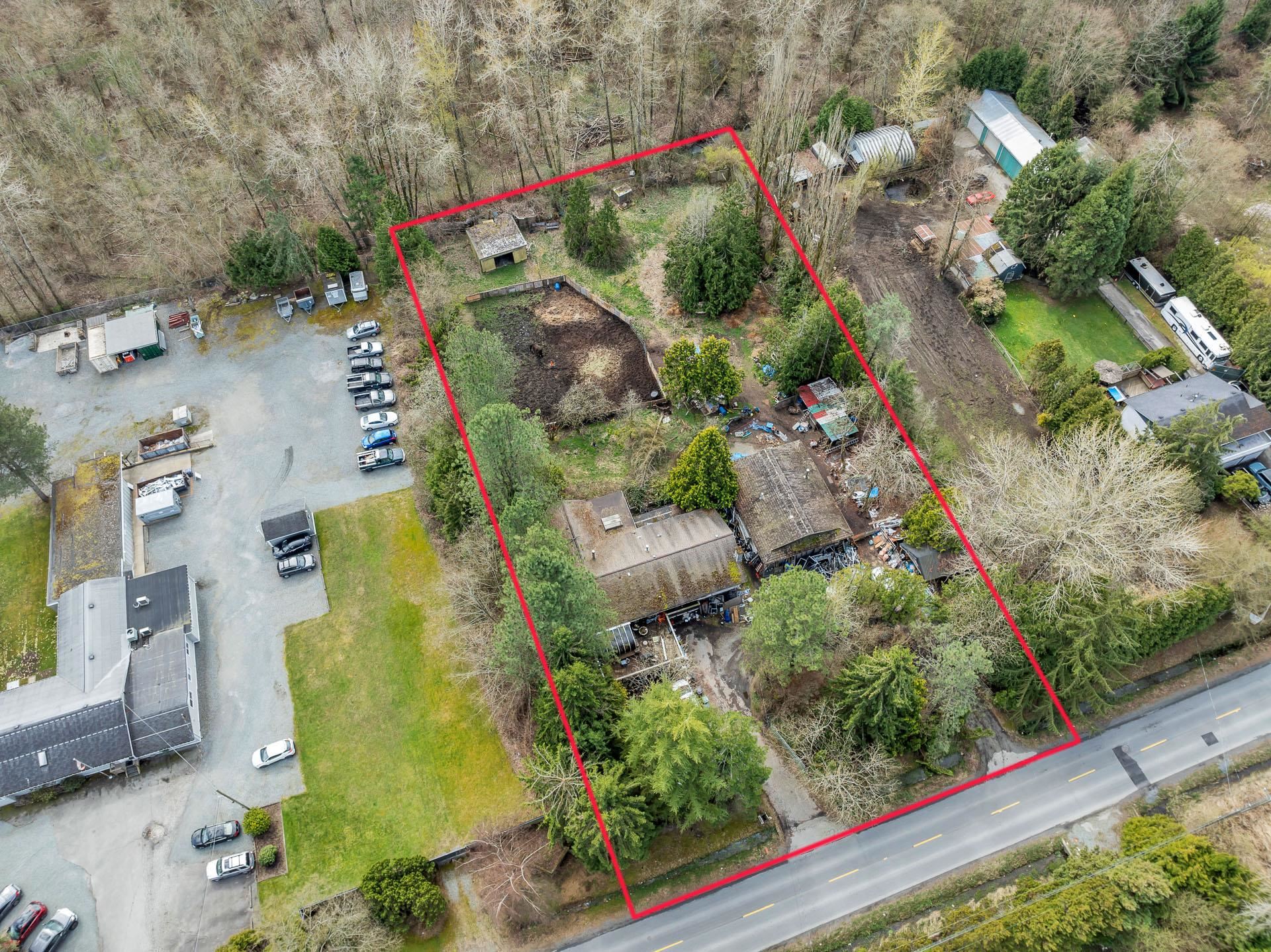
16216 20 Avenue is a 1.13-acre holding in Pacific Douglas, South Surrey — roughly 49,136 square feet, with just over 50 feet of frontage and nearly 300 feet of depth. There's an existing 3,726 sq ft basement-entry home on it, built in 1972, along with a barn and a fenced yard. It's on septic with municipal water.
The house isn't really the story here, and the listing doesn't pretend otherwise: it's offered as-is, where-is. What you're buying is the dirt and its position.
Why the location matters
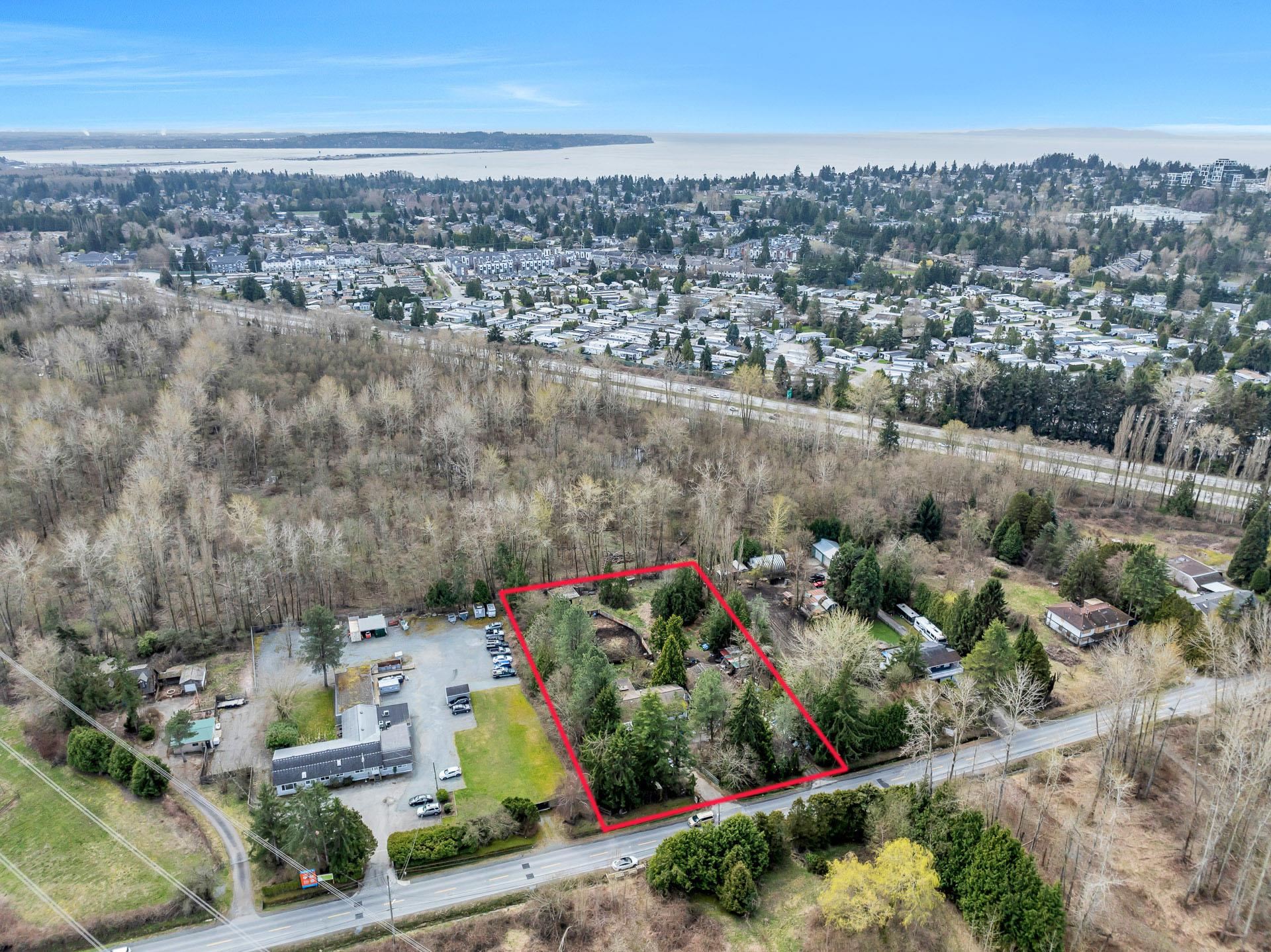
The site sits within South Surrey's Highway 99 Corridor Plan, which the City has designated for business park and light industrial uses. That designation is the single most important fact about the property, because it tells you what the land is being planned for rather than what's on it today.
The access profile backs it up. You're immediately onto Highway 99, connected to established truck routes, minutes from the U.S. border, and within reach of two international airports. For anything logistics-adjacent — distribution, service trades, light manufacturing — that combination is the whole ballgame. Industrial land in Metro Vancouver is famously scarce, and land with genuine highway and border access is scarcer still.
Then there's the surrounding investment. The 24th Avenue commercial node, Grandview, and Morgan Crossing have all drawn substantial commercial development into this part of South Surrey over the past decade. Growth in one corridor tends to pull demand into adjacent ones. That's the long-term case.
The questions a buyer should be asking
If you're evaluating a site like this, the work sits in a few places.
Current zoning versus planned use. The parcel is currently zoned RA. The corridor plan contemplates business park and light industrial. The gap between those two things is a rezoning process, and how long it takes and what it costs belongs in your pro forma from day one. Our zoning reference and the City's land use plans are the place to start.
Servicing. The property is on septic today. Any industrial or business park development will need sanitary servicing, and where the nearest connection sits — and who pays to extend it — is a real number, not a footnote.
Assembly potential. At 1.13 acres, this is a standalone parcel with a narrow frontage and a deep lot. Whether it works alone or wants a neighbour depends on what you're building. Mapping the ownership around it is worth doing early; the GIS tools make that straightforward.
Holding costs. Rezoning takes time. The existing house can generate rental income during that window, which changes the carrying math considerably compared to raw land.
Who this suits
Three types of buyer typically look at a parcel like this. The land banker, who is comfortable holding through an entitlement cycle and betting on the corridor plan progressing. The owner-operator, who needs a yard and a building with highway access and would rather build to suit than lease. And the developer looking at multi-tenant industrial or commercial, where demand in this submarket has been consistent.
What all three have in common is that they're underwriting the corridor, not the cottage.
Talk it through
Development land rewards early questions. If you're weighing this site or something like it, the useful conversation happens before you're under contract — zoning path, servicing, timelines, comparable sales in the corridor. Have a look at the commercial listings and available land, then get in touch and we'll go through the specifics.
Jared Gibbons PREC · Royal LePage Little Oak Realty · 604-928-1361
 The data relating to real estate on this website comes in part from the MLS® Reciprocity program of either the Greater Vancouver REALTORS® (GVR), the Fraser Valley Real Estate Board (FVREB) or the Chilliwack and District Real Estate Board (CADREB). Real estate listings held by participating real estate firms are marked with the MLS® logo and detailed information about the listing includes the name of the listing agent. This representation is based in whole or part on data generated by either the GVR, the FVREB or the CADREB which assumes no responsibility for its accuracy. The materials contained on this page may not be reproduced without the express written consent of either the GVR, the FVREB or the CADREB.